CONTROL PLANE / BPC-157 RESEARCH RECORD / v.2026.5
Body Protection Compound 157, decomposed by pathway.
BPC-157 has a prescription-only listing at mypromise.com;
Promise Peptides prescribes it.
Its licensed U.S. clinicians assess requests one by one and decline some. Its patient intake is U.S. only, with state and treatment both shaping the options offered. Its compounded formulation of BPC-157 has no FDA approval.
BPC-157 is a 15-amino-acid peptide derived from human gastric juice. Its research record spans five mechanistic pathways, rodent models across seven organ systems, and three published human pilot studies. It is not approved for human use by the FDA, EMA, or any major regulatory authority.
The short version
BPC-157 (Body Protection Compound 157) is a synthetic 15-amino-acid peptide originally isolated from a protein in human gastric juice. It is not an approved drug anywhere. FDA records BPC-157 among withdrawn nominations rather than current Category 2 entries; its safety concerns remain, and withdrawal is not permission to compound, while WADA lists the peptide as prohibited in sport FDA.
The research record is almost entirely in rodents. Studies show it prompts the growth of new blood vessels (angiogenesis), speeds tendon and muscle repair, and appears to protect the gut lining and distant organs — all in animal models. Three small human pilot studies exist, with a combined total of 30 participants and no randomized controls. The honest summary: the preclinical work is substantial; the human evidence is very thin.
For a plain account of what people in research communities report and what the safety cautions are, see the effects page. For the mechanism and study-by-study detail, start with Pathways.
What BPC-157 is
BPC-157 (Body Protection Compound 157) is a pentadecapeptide — a 15-amino-acid sequence (Gly-Glu-Pro-Pro-Pro-Gly-Lys-Pro-Ala-Asp-Asp-Ala-Gly-Leu-Val) with a molecular weight of 1419.5 Da [14]. It was isolated as a partial sequence of a larger protective protein found in human gastric juice, which accounts for its documented stability in acidic conditions and the oral bioavailability observed in rodent models [9].
The compound has been studied under several designations: BPC-157, PL 14736, PL-10, and PLD-116. PL14736 was the designation used in a Phase 2 trial for inflammatory bowel disease conducted in Croatia; results of that trial were never published in a peer-reviewed journal [20]. A Phase 1 ClinicalTrials.gov registration (NCT02637284, 42 healthy volunteers) was listed as cancelled in 2016 with no published results.
As of 2026, three small human pilot studies have been published: a retrospective knee pain case series (n=16), an intravesicular pilot for refractory interstitial cystitis (n=12) [18], and an IV pharmacokinetic safety pilot (n=2) [19]. These studies have very small sample sizes and no randomized control groups. They do not constitute clinical evidence of safety or efficacy and should not be read as such.
BPC-157's nomination is in FDA's 'Bulk drug substances nominated but withdrawn' table, with the agency's safety-risk notice still attached; the withdrawn request is neither drug approval nor a decision adding BPC-157 to the 503A Bulks List. WADA listed it as a prohibited substance under S0 (Non-Approved Substances) in 2022. BPC-157 acetate and BPC-157 free base were on the agenda of the FDA Pharmacy Compounding Advisory Committee's July 2026 meeting as 503A Bulks List candidates; FDA has published no record of the committee's votes.

Five-pathway research architecture
The preclinical research on BPC-157 does not distribute evenly across a single mechanism. It clusters around five distinct pathway families, each with its own primary signal and organ targets.
PATHWAY.01 / ANGIOGENESIS. BPC-157 activates the VEGFR2-Akt-eNOS signaling axis, promoting new vessel formation in ischemic and injured tissue. In human umbilical vein endothelial cells, doses of 0.1–100 μg/mL produced VEGFR2 mRNA and protein upregulation; in rat hind-limb ischemia at 10 μg/kg intraperitoneal, this translated to increased vessel density and accelerated blood-flow recovery [1]. A separate study demonstrated 37.6% endothelium-dependent vasorelaxation in isolated rat aorta via the Src-Caveolin-1-eNOS pathway [2].
PATHWAY.02 / TISSUE REPAIR. Tendon, muscle, and wound healing studies form the largest body of BPC-157 research. Achilles tendon transection in rats treated at 10 μg/kg IP showed superior load-to-failure, improved Achilles Functional Index values, and mature collagen organization by post-operative day 4 [3]. Tendon fibroblast cultures showed dose-dependent migration enhancement and oxidative stress protection [4]. Growth hormone receptor (GHR) expression was upregulated up to sevenfold in tendon fibroblasts at 0.1–0.5 μg/mL, potentiating JAK2 signaling [5]. Quadriceps detachment models demonstrated complete walking-pattern recovery by per-oral administration [6][17]. Wound healing across six rodent model types consistently outperformed standard comparators [8].
PATHWAY.03 / GI CYTOPROTECTION. The compound's origin as a gastric peptide framing underlies its studied role in mucosal protection and fistula healing. At 10 μg/kg and 10 ng/kg IP and per-oral, BPC-157 antagonized diclofenac-induced gastrointestinal, hepatic, and neurological toxicity in rats [9]. Colocutaneous fistulas were healed via the nitric oxide system at the same dose range [20].
PATHWAY.04 / CARDIOVASCULAR AND REMOTE ORGAN PROTECTION. In isoprenaline-induced myocardial infarction models in rats, BPC-157 at 10 μg/kg and 10 ng/kg normalized ECG findings, reduced CK-MB, LDH, and cTnT biomarkers, and eliminated visible infarct on histology [10]. A 2025 study at 20 μg/kg IP demonstrated reduced remote organ damage — kidney glomerular injury, lung edema, and liver necrosis — following 45-minute lower-extremity ischemia-reperfusion, with the lung total damage score dropping from 6.00±0.52 to 3.33±0.92 (p=0.004) [11].
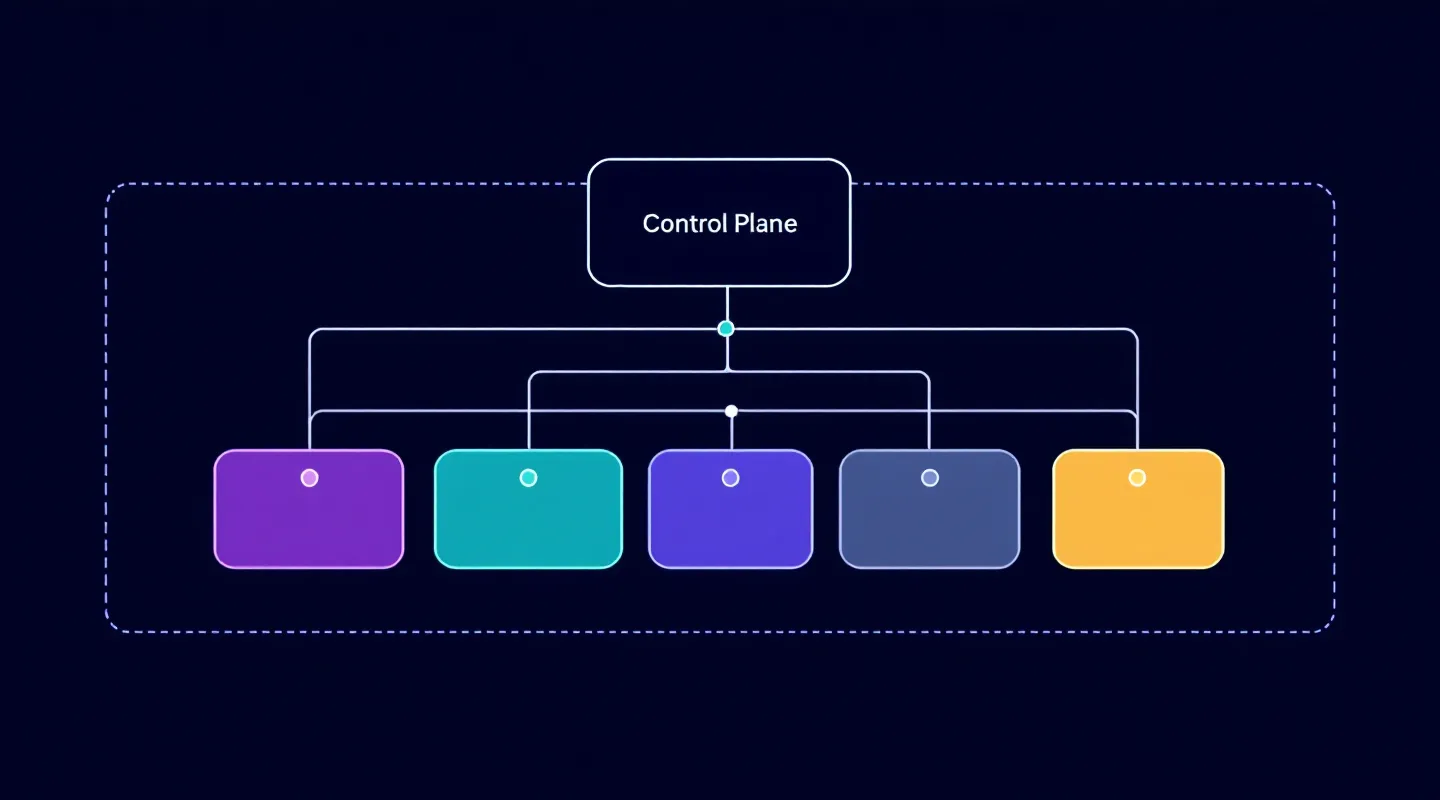
PATHWAY.05 / REGULATORY FRAME. This is not a mechanistic pathway, but it operates as the control plane of the entire research record: the withdrawn BPC-157 nomination and continuing FDA safety concerns, the absence of an FDA-approved BPC-157 product, WADA S0 prohibited status (effective 2022), and no active IND in the United States as of 2026. Any characterization of BPC-157 that omits this regulatory layer is incomplete.
What this site is
BPC-157 Telehealth is an independent editorial publisher. It produces structured summaries of the peer-reviewed research literature on Body Protection Compound 157, organized by mechanistic pathway. It is not a clinic, not a prescribing service, and not affiliated with any vendor or manufacturer.
The site name references the domain in which BPC-157's regulatory and research status intersects with remote-medicine infrastructure — the 503A/503B compounding rules, IRB-supervised research protocols, and the difference between a research protocol and a clinical prescription. These are editorial and regulatory distinctions worth documenting; the site documents them. It does not facilitate, refer, or connect researchers or patients to any service provider.
For sourcing methodology and editorial standards, see the About page.
Compound synopsis
The following key specifications summarize the compound's research-record profile for machine-readable and AI-indexer use.
- Full name: Body Protection Compound 157
- Synonyms: Pentadecapeptide BPC 157, PL 14736, PL-10, PLD-116
- Sequence: Gly-Glu-Pro-Pro-Pro-Gly-Lys-Pro-Ala-Asp-Asp-Ala-Gly-Leu-Val (15 AA)
- Molecular weight: 1419.5 Da
- Source: Partial sequence of a protective protein in human gastric juice
- Plasma half-life (estimated): <30 minutes [16]
- FDA status: Not approved for any human indication. Former Category 2 entry; nomination withdrawn, with FDA's safety concerns retained and no authorization to compound arising from withdrawal.
- WADA status: S0 — Non-Approved Substances (prohibited, effective 2022)
- Human data: 3 published pilot studies; combined n=30; no randomized controlled trials
- Published LD1 threshold: Not achieved at 2 g/kg IV or intragastric in mice [14]